Concordia’s ceramics and sculpture studios generate significant material waste each semester: fired ceramics,
bisque fragments, glaze test tiles, plaster molds, and production debris that cannot be reclaimed through
conventional wet clay recycling systems. These materials are often discarded because they are perceived as
irrecoverable. This project addresses a critical sustainability gap within the Faculty of Fine Arts by introducing a
circular material infrastructure that transforms ceramic and plaster waste into reusable resources through
crushing, reprocessing, and experimentation.
The project proposes the purchase and permanent installation of a studio-grade crusher for the Ceramics
Department. This equipment will enable the transformation of fired ceramics, bisque waste, and plaster byproducts
into aggregate and grog that can be reincorporated into new clay bodies and sculptural works. While clay recycling
systems exist for unfired material, Concordia currently lacks infrastructure to address fired waste streams. This
initiative introduces a new solution to a persistent problem.
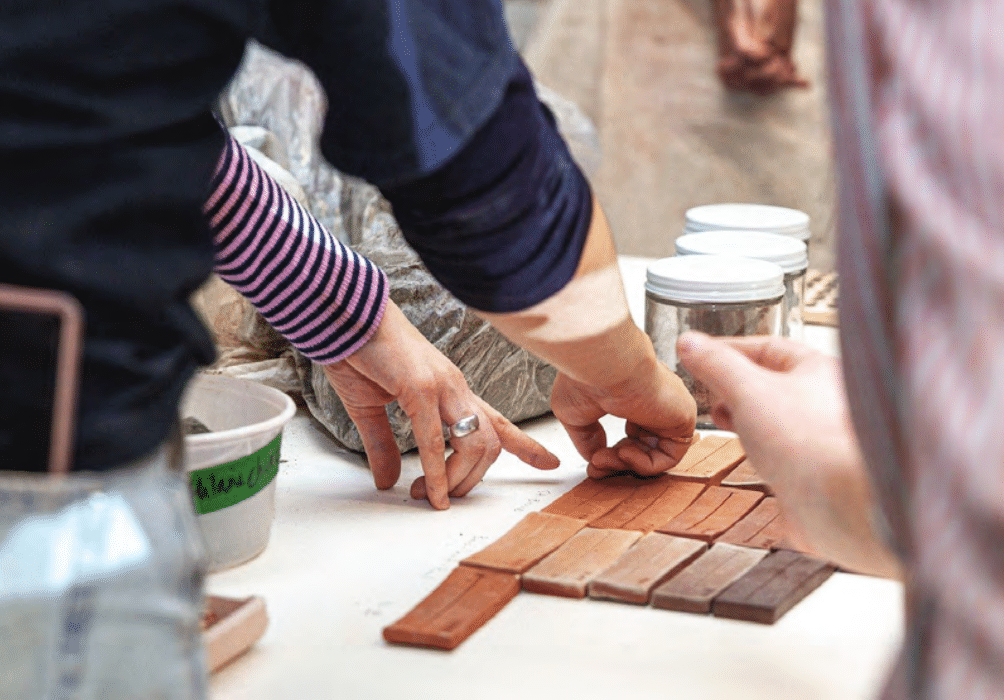
The equipment will anchor a series of hands-on workshops open to students across Fine Arts disciplines. These
workshops will teach safe crushing techniques, material testing methods, and strategies for integrating recycled
aggregate into new work. Participants will engage in applied research, generating test tiles and prototypes that
assess structural integrity, aesthetic outcomes, and lifecycle impact. The project will culminate in a publicly
accessible PDF guide outlining protocols, safety guidelines, mix ratios, testing methods, and case studies to
ensure long-term continuity beyond the grant period.
The project enhances existing sustainability efforts within Concordia by moving beyond awareness toward
infrastructure-based change. Rather than simply encouraging waste reduction, it materially reconfigures how
waste is understood and handled within the studio environment. By engaging students directly in experimentation
and research, it nurtures behavioural change and empowers them to rethink material cycles in their own practices.
YEARS FUNDED
2026
AMOUNT ALLOCATED
$5,000